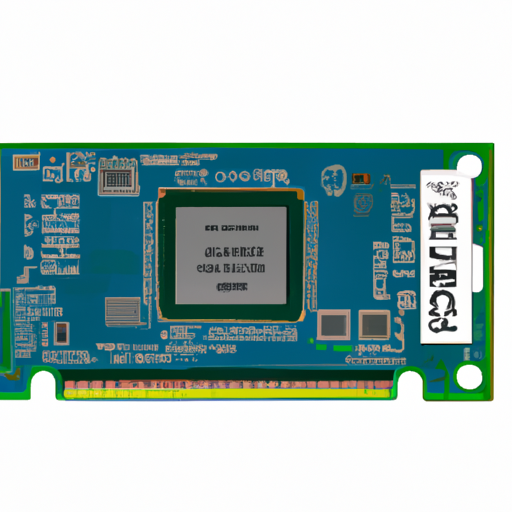
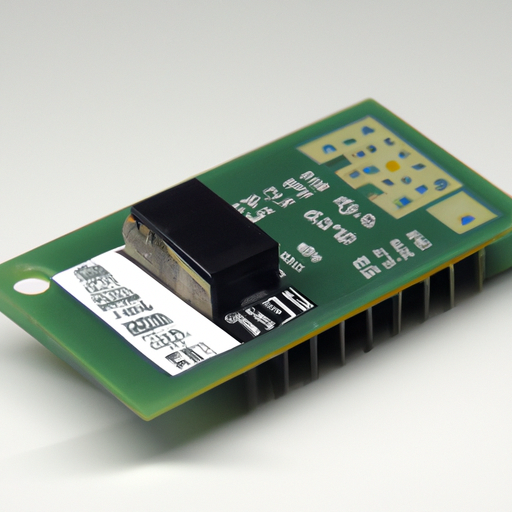
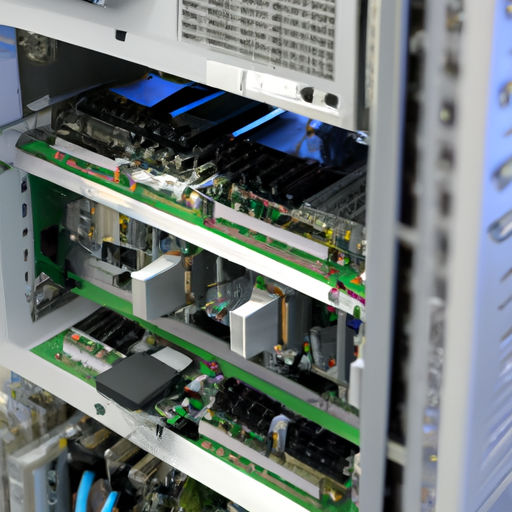
1N5240B-T Digital Potentiometers highlighting the core functional technology articles and application development cases of Digital Potentiometers that are effective.
Core Functional Technologies of Digital Potentiometers
1. Digital Control: Digital potentiometers utilize digital communication protocols such as I2C, SPI, or UART for control. This allows for precise adjustments and easy integration with microcontrollers, enabling automated and programmable resistance changes.
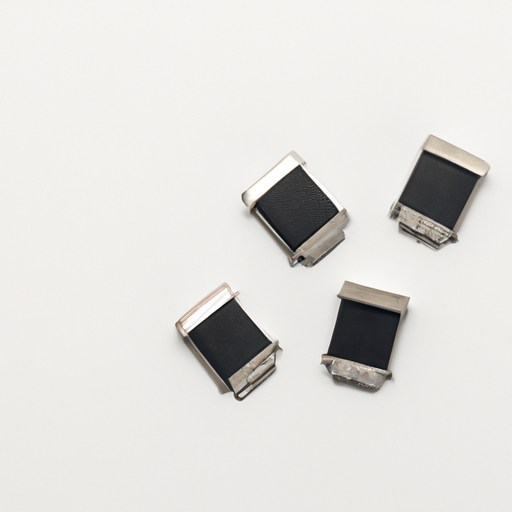
2. Non-Volatile Memory: Many digital potentiometers feature non-volatile memory, which retains programmed settings even when the device is powered off. This is particularly useful in applications where consistent performance is required after power cycles, eliminating the need for recalibration.
3. Multi-Channel Operation: Some models support multiple channels, allowing simultaneous control of several resistive elements. This is beneficial in complex systems where multiple parameters need to be adjusted together, such as in multi-band equalizers in audio systems.
4. Programmable Resistance: Users can dynamically program resistance values, which can be adjusted based on real-time application needs. This flexibility is advantageous in various scenarios, including audio volume control, sensor calibration, and adaptive filtering.
5. High Precision and Stability: Digital potentiometers provide high precision and stability, ensuring accurate resistance values over time and varying environmental conditions. This is critical in applications that demand consistent performance, such as precision measurement systems.
6. Integration with ADC/DAC: The ability to interface with Analog-to-Digital Converters (ADC) and Digital-to-Analog Converters (DAC) allows digital potentiometers to bridge the gap between digital and analog domains, facilitating seamless signal processing in mixed-signal applications.
Application Development Cases
1. Audio Equipment: Digital potentiometers are extensively used in audio devices for volume control, tone adjustment, and equalization. Their precise control over audio signals enhances sound quality and provides a better user experience, allowing for smooth transitions and fine-tuning.
2. Sensor Calibration: In sensor applications, digital potentiometers can be employed to calibrate sensor outputs. By adjusting the resistance, engineers can fine-tune sensor readings, ensuring accuracy and reliability in measurement systems, such as temperature or pressure sensors.
3. Automotive Applications: In automotive systems, digital potentiometers are utilized for various functions, including adjusting dashboard light brightness and managing climate control systems. Their reliability and precision are essential in automotive environments, where performance and safety are paramount.
4. Medical Devices: Digital potentiometers find applications in medical instrumentation for precise control of parameters such as dosage in infusion pumps or calibration in diagnostic equipment. This ensures patient safety and accuracy in critical medical applications.
5. Industrial Automation: In industrial control systems, digital potentiometers are used for tasks like motor speed control and process automation. Their ability to provide precise adjustments is crucial for optimizing performance and energy efficiency in manufacturing processes.
6. Consumer Electronics: In devices such as televisions, smart speakers, and gaming consoles, digital potentiometers enhance user interfaces by providing intuitive volume control and adjustable settings. This improves the overall user experience and allows for more sophisticated product features.
Conclusion
Digital potentiometers, exemplified by the 1N5240B-T, are integral components in modern electronic designs, offering precise control, flexibility, and robust integration capabilities across a wide range of applications. Their reliability and performance in diverse environments make them invaluable in both consumer and industrial products. As technology advances, the functionalities and applications of digital potentiometers are expected to expand, further solidifying their role in innovative electronic solutions.