1N5242B-T PLDs (Programmable Logic Device) highlighting the core functional technology articles and application development cases of PLDs (Programmable Logic Device) that are effective.
Overview of PLDs (Programmable Logic Devices)
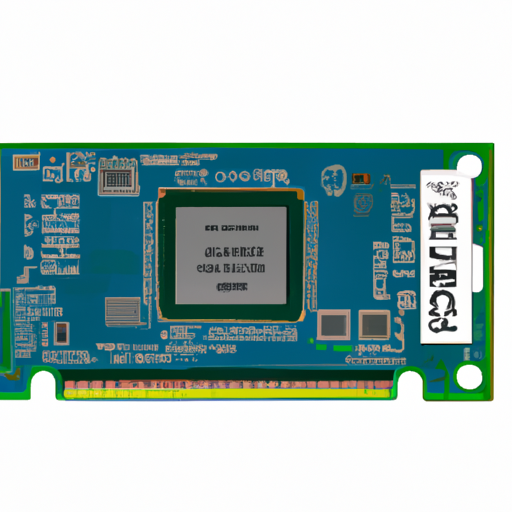
Programmable Logic Devices (PLDs) are versatile integrated circuits that can be programmed to execute a wide range of logic functions. They serve as essential components in digital circuits, enabling applications that range from simple logic gates to intricate systems. The primary types of PLDs include:
| 1. Programmable Read-Only Memory (PROM) | Utilized for fixed logic functions, PROMs are non-volatile memory devices that can be programmed once. |
| 2. Programmable Array Logic (PAL) | These devices feature a fixed OR array and a programmable AND array, allowing for specific logic functions to be implemented. |
| 3. Generic Array Logic (GAL) | An advancement over PALs, GALs allow for reprogramming, providing greater flexibility in design. |
| 4. Complex Programmable Logic Devices (CPLDs) | CPLDs consist of multiple logic blocks and interconnects, enabling more complex designs than PALs and GALs. |
| 5. Field-Programmable Gate Arrays (FPGAs) | FPGAs are highly flexible and can be configured to perform a vast array of tasks, making them suitable for a wide range of applications. |
| 1. Reprogrammability | Many PLDs can be reprogrammed, facilitating design iterations and updates without the need for new hardware, which is crucial in fast-paced development environments. |
| 2. Parallel Processing | PLDs can execute multiple operations simultaneously, making them ideal for high-speed applications that require real-time processing. |
| 3. Customizability | Users can tailor the logic functions to meet specific application requirements, providing a high degree of flexibility and adaptability. |
| 4. Integration | PLDs can consolidate various functions into a single chip, reducing the need for multiple discrete components and simplifying design. |
| 5. Low Power Consumption | Modern PLDs are designed for low power operation, making them suitable for battery-operated and energy-efficient devices. |
| 1. Consumer Electronics | PLDs are integral in devices such as televisions, gaming consoles, and smartphones, where they handle signal processing, user interface management, and control functions. |
| 2. Automotive Applications | In vehicles, PLDs are used in engine control units (ECUs), safety systems, and infotainment systems, enabling real-time processing and adaptability to new features and updates. |
Core Functional Technology of PLDs
Application Development Cases of PLDs
3. Telecommunications: PLDs play a crucial role in networking equipment, facilitating the implementation of protocols, data routing, and signal processing in devices like routers and switches.
4. Industrial Automation: In manufacturing environments, PLDs are employed in programmable logic controllers (PLCs) for controlling machinery, monitoring systems, and automating processes.
5. Aerospace and Defense: PLDs are utilized in mission-critical applications such as avionics, radar systems, and communication systems, where reliability and performance are essential.
6. Medical Devices: In the medical field, PLDs are found in diagnostic equipment, imaging systems, and patient monitoring devices, where they assist in data processing and control functions.
Effective Development Strategies
1. Rapid Prototyping: PLDs enable quick iterations in design, allowing engineers to test and refine their ideas rapidly, which is essential for innovation.
2. Simulation Tools: Utilizing software tools for simulating PLD designs helps verify functionality before hardware implementation, significantly reducing development time and costs.
3. Design Reuse: Leveraging existing designs and intellectual property (IP) cores can accelerate the development process and minimize errors, enhancing efficiency.
4. Collaboration with Software Development: Integrating PLD design with software development fosters cohesive and efficient systems, particularly in embedded applications where hardware and software must work seamlessly together.
Conclusion
PLDs are foundational to modern digital design, offering flexibility, speed, and efficiency across a multitude of applications. Their programmability and reprogrammability make them invaluable in rapidly evolving technological landscapes. As industries continue to advance, the role of PLDs is expected to expand, driving innovation and enabling new solutions across various fields. The ongoing development of PLD technology will likely lead to even more sophisticated applications, further solidifying their importance in the digital age.